
From Hyperallergic: “POC-led Orgs of NYC Call for $100M to Address ‘Cultural Inequity’”
New York City is often touted as the world’s arts capital, but many of those who help shape its vibrant creative ecosystem remain both under-recognized and under-funded.

Review of El Futuro Es Ya, Intervenxions
Alexis Mendoza’s El Futuro Es Ya exhibition at The Clemente Center on the Lower East Side is an Afrofuturist exploration of time and space. The artworks featured in Mendoza’s show span various mediums of sculpture, paintings, and screenprinting, presenting a vision of futurity that is inextricably linked to Black diasporic histories and present realities.

Partnering with HUE Arts
The Clemente is excited to be a partner and advisor of Hue Arts NYC, a mapping initiative and coalition of POC-led arts and culture organizations calling for greater equity and visibility across #NYC! Check out the interactive map and learn more at hueartsnyc.org.

The New Yorker: Why Puerto Rico is Mourning a Musician
Tito Matos gave voice to an island in crisis.


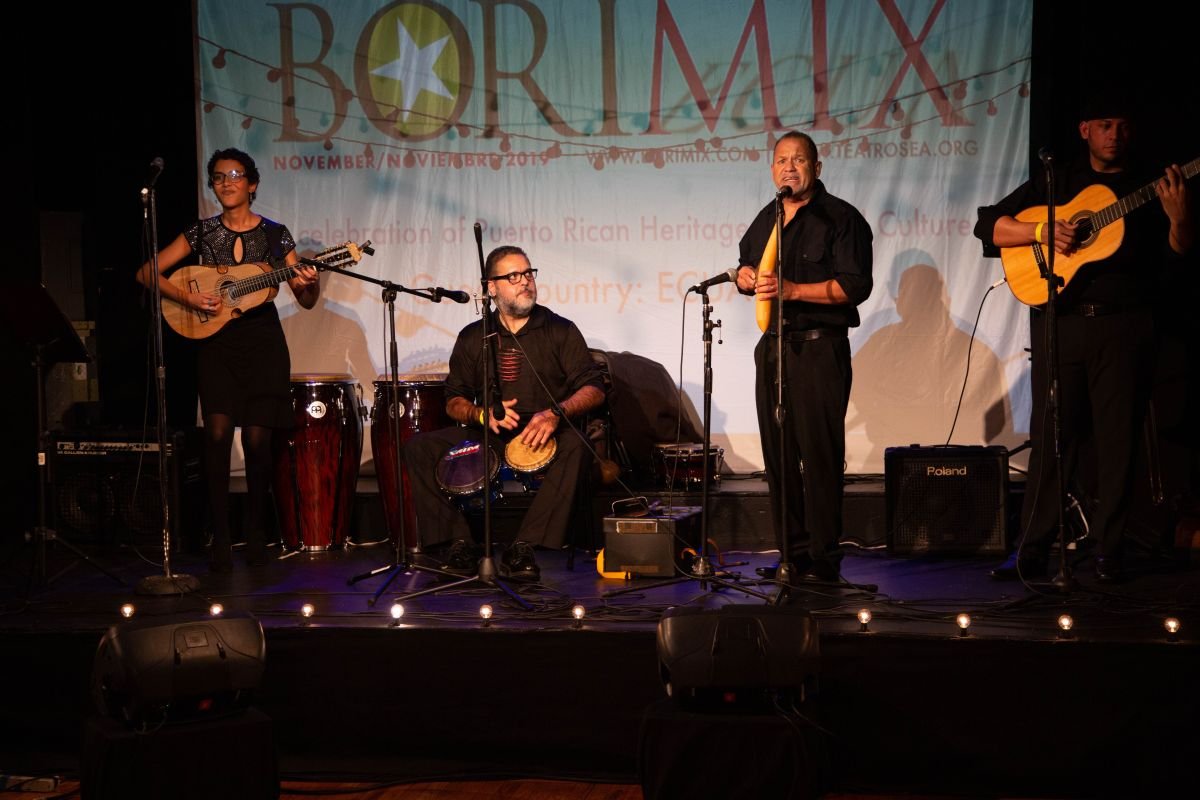
PERCUSSIONIST HÉCTOR “TITO” MATOS, A BASTION OF THE PLENA
The country’s cultural scene is in mourning. Puerto Rican percussionist musician Hector “Tito” Matos passed away this morning at the age of 53. For decades, the exponent specialized in promoting two traditional Puerto Rican rhythms: the bomba and the plena.

CBS New York: “Teatro SEA Founder Manuel Moran On Celebrating Three Kings Day Amid Pandemic”
Three Kings Day profile on CBS New New York


“Stone Yucayeque:” Old San Juan’s 500-Year History on Display at The Clemente
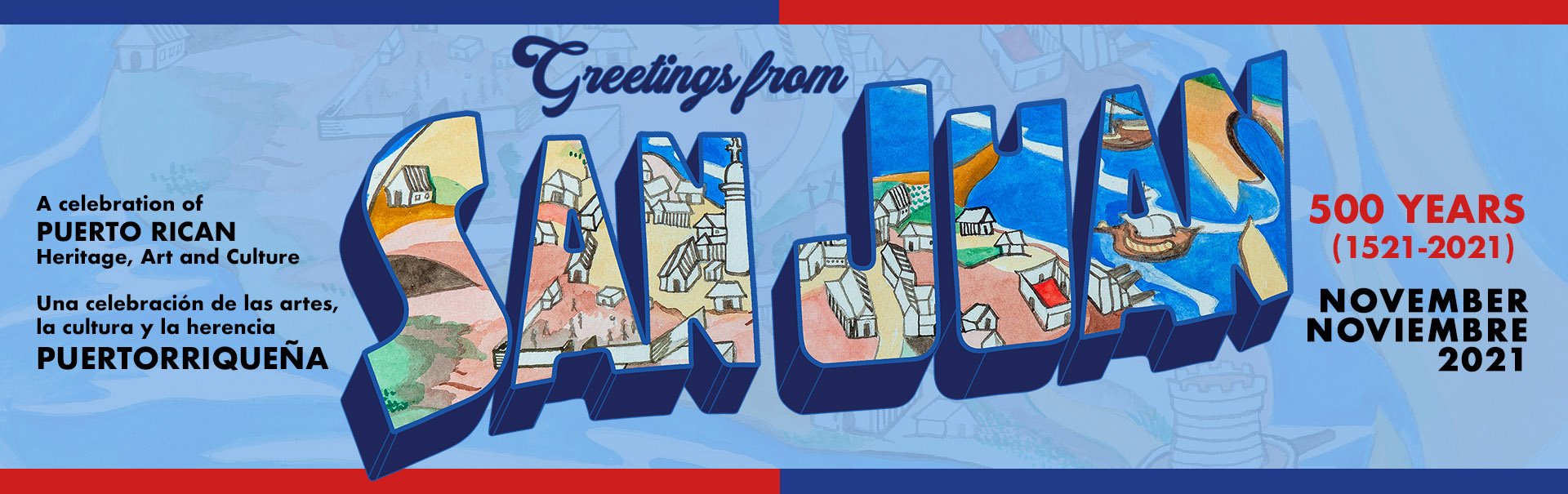
The exhibition recognizes the 500 years since the fortified stone city's founding in 1521 by Spanish colonizers and pays homage to the Taínos by using a word from their language, Yucayeque, which means village or city. With work by Puerto Ricans and non-Puerto Rican artists alike, this exhibition is nostalgic, romantic, and, most importantly, political, conveying the complex history of the archipelago of Puerto Rico. Old San Juan is the oldest continuously inhabited post-European contact settlement under US jurisdiction, the second oldest in the entire Western Hemisphere, and located in the oldest colony in the world. As such, the exhibition acknowledges both its current and past history, its place in the land of the Tainos, its culture and people, and the enslaved Africans who built this fortified city.